Beginner’s Guide: How to Assess Your Home’s Perimeter Needs
Understanding your home’s perimeter is essential for creating a secure, functional, and aesthetically pleasing property. Whether you are a new homeowner or looking to upgrade your current setup, assessing your perimeter needs is a foundational step that affects safety, privacy, and property value. The perimeter encompasses everything from fencing and gates to landscaping boundaries, and the choices you make can influence both daily convenience and long-term maintenance. Without proper evaluation, homeowners risk overspending on unnecessary features or compromising security and curb appeal.
Assessing your perimeter needs begins with understanding the specific characteristics of your property, the neighborhood environment, and your personal goals. Factors such as property size, terrain, local regulations, and intended usage all play a role in determining the most effective perimeter solutions. By taking a systematic approach, you can ensure your property is well-protected, visually appealing, and functional for your lifestyle. This guide provides a comprehensive roadmap for evaluating your home’s perimeter, helping you make informed decisions that balance safety, design, and practicality. By the end of this guide, you will have a clear understanding of the steps required to assess your perimeter needs effectively.
Understanding Your Property’s Boundaries
Identify Legal Boundaries
The first step in assessing your home’s perimeter needs is clearly identifying your property lines accurately and legally. Consult your property deed, survey documents, or local zoning office to confirm exact boundaries before any installations. Many homeowners mistakenly assume their land extends to visible markers such as trees or fences, but this can lead to disputes with neighbors or legal complications later. A professional survey can provide precise measurements, ensuring that any fencing, gates, or landscaping installations comply with legal requirements and avoid potential future disputes effectively.
Evaluate Existing Perimeter Structures
Assess any existing fences, walls, or natural barriers surrounding your property carefully. Note their condition, height, material, and functionality to make informed decisions. For example, a deteriorating wooden fence may no longer provide sufficient security or privacy, while an overgrown hedge could be a significant maintenance burden over time. Understanding the current state of your perimeter allows you to decide whether to repair, replace, or enhance these structures for long-term efficiency, safety, and aesthetic appeal successfully.
Consider Neighboring Properties
Neighboring homes can significantly impact your perimeter planning decisions and overall layout. Assess how close your neighbors are, the style of their fences, and any shared boundaries carefully. Coordination with neighbors can prevent potential conflicts and sometimes allow for shared costs when installing boundary structures efficiently. Additionally, considering neighborhood aesthetics and community harmony can help maintain property value, cohesion, and the overall visual appeal of your home environment consistently.
Determining Your Security Requirements
Assess Safety Needs
Security is often the primary driver for perimeter planning and installation choices. Determine the level of protection you need based on local crime rates, visibility from the street, and potential access points carefully. For instance, homes in urban neighborhoods may benefit from taller fences or reinforced gates, while rural properties might prioritize visibility to monitor wildlife, trespassers, or unexpected intrusions more efficiently. Establishing these requirements early ensures a secure, well-thought-out perimeter design overall.
Identify Vulnerable Access Points
Evaluate doors, windows, driveways, and side paths to identify areas most susceptible to intrusion and risk. Consider integrating fences or gates in these locations strategically to limit unauthorized access effectively. Motion-sensor lighting, security cameras, and alarm systems can complement physical barriers, providing a layered security approach that enhances protection for both family members and valuable property consistently.
Balance Security and Aesthetics
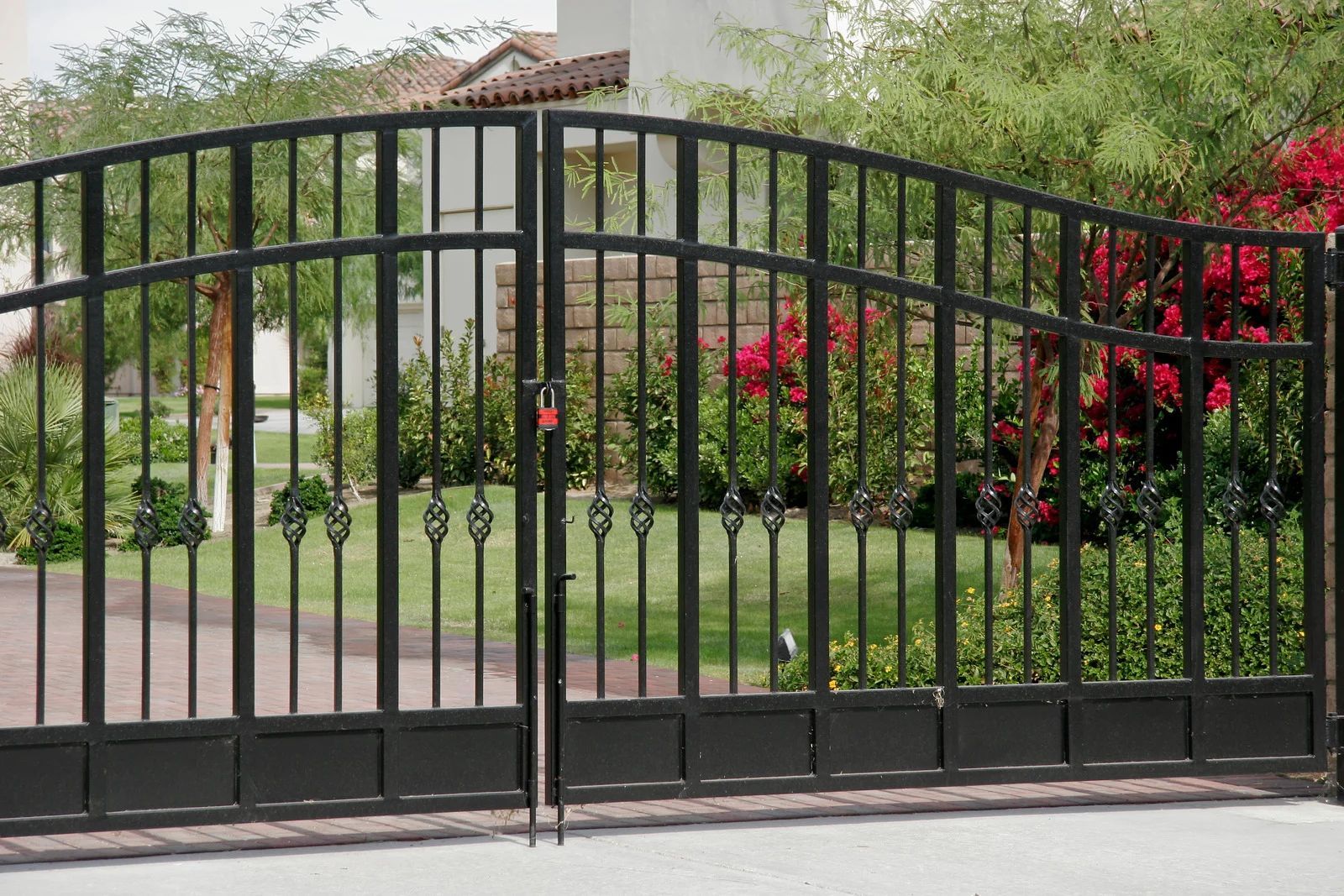
While security is critical, it should not compromise your home’s overall curb appeal or visual impression. Choose perimeter solutions that blend safety seamlessly with aesthetic appeal for maximum effect. For example, ornamental metal fences offer robust protection while enhancing the home’s exterior appearance beautifully. The ultimate goal is a secure perimeter that maintains an inviting, professional appearance and contributes positively to the overall attractiveness of your property long-term.
Evaluating Privacy and Noise Control
Determine Privacy Needs
Privacy requirements vary depending on your lifestyle, property size, and proximity to neighbors or busy streets nearby. Evaluate how much seclusion you desire for outdoor spaces such as patios, gardens, or pools thoroughly. Solid fencing, tall hedges, or privacy screens can provide a sense of seclusion while clearly defining outdoor areas for relaxation, entertaining guests, or family activities safely and comfortably.
Consider Noise Reduction
For homes near busy roads, highways, or commercial areas, perimeter structures can also serve as effective noise barriers efficiently. Materials such as brick walls, dense hedges, or composite fences can absorb or deflect sound, creating a quieter, more enjoyable environment consistently. Effective noise control enhances comfort, protects mental well-being, and adds long-term value to your property effectively.
Plan for Seasonal and Environmental Factors
Consider how local weather conditions, seasonal changes, and soil types may affect your privacy structures over time. For example, deciduous trees or shrubs may provide privacy during summer months but leave gaps in winter seasons. Understanding these dynamics allows you to choose materials, layouts, and plant types that maintain consistent privacy and functional performance throughout the year safely and reliably.
Material Selection and Durability
Compare Common Fence Materials
Different materials offer varying levels of durability, maintenance requirements, and aesthetic appeal for your home effectively. Common options include:
- Wood: Classic, customizable, and natural but requires regular maintenance to prevent rot, decay, and insect damage, ensuring long-term performance reliably.
- Vinyl: Low maintenance and weather-resistant but can be more expensive upfront, providing a durable and clean appearance consistently.
- Metal (Aluminum, Steel, Wrought Iron): Strong, long-lasting, and ideal for security-focused designs, offering lasting protection and visual appeal simultaneously.
- Composite: Eco-friendly, durable, and resistant to pests, blending aesthetics with performance for a sustainable and attractive choice efficiently.
Evaluate Longevity and Maintenance
Select materials based on how much time, effort, and resources you are willing to invest in upkeep consistently. For example, a wooden fence may need annual staining or sealing, while vinyl or aluminum requires minimal care. Factoring in durability ensures your perimeter solution remains functional, visually appealing, and low-maintenance for many years ahead reliably.
Consider Cost vs. Value
Budget considerations are essential, but also consider long-term value, maintenance, and overall property benefits. A higher initial investment in quality materials can reduce maintenance costs, enhance durability, and increase property value over time. Conducting a detailed cost-benefit analysis helps balance upfront expenses with long-term financial, practical, and aesthetic advantages effectively.
Functional Considerations and Gate Placement
Plan for Access and Traffic Flow
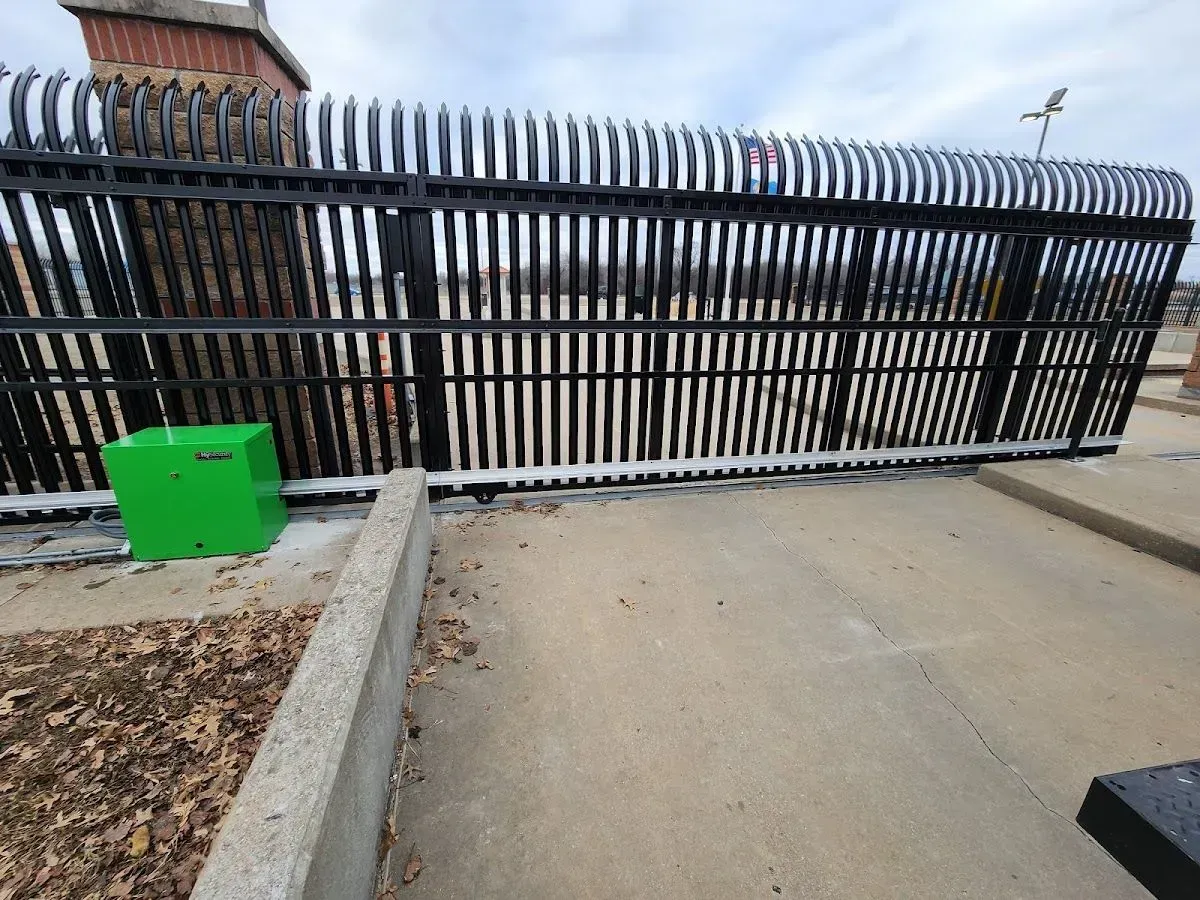
Gate placement is a critical component of perimeter planning for safety and convenience. Identify primary entry points for vehicles, pedestrians, and service access strategically. Ensure gates are conveniently located for ease of movement while not compromising security, privacy, or aesthetics unnecessarily. Consider automated or controlled gates for added convenience, controlled access, and enhanced overall property functionality effectively.
Accommodate Special Needs
Factor in family requirements, pets, and recreational areas during perimeter planning carefully. For instance, secure enclosures for pets, children, or garden spaces may require additional fencing, locks, or safety features. Proper planning prevents future modifications, ensures safety, and allows your perimeter to support your household’s lifestyle seamlessly for years to come efficiently.
Integrate Landscaping and Features
Perimeter planning is not limited to fences and gates alone; thoughtful landscaping can greatly enhance overall functionality. Incorporate hedges, flower beds, or retaining walls to improve aesthetics, privacy, and erosion control simultaneously. Thoughtful integration of natural and structural features creates a cohesive, functional, and visually pleasing property boundary for a well-maintained exterior consistently.
Maintenance, Upgrades, and Compliance
Establish a Maintenance Routine
Regular inspection and upkeep are essential for maintaining a functional, secure, and visually appealing perimeter. Check for wear and tear, loose panels, rust, or gate malfunctions periodically. Routine maintenance prevents small issues from escalating into costly repairs and ensures the long-term durability and effectiveness of all boundary structures efficiently.
Plan for Future Upgrades
Consider your long-term goals when designing and installing perimeter structures carefully. Leave flexibility for future expansions, technology integration (e.g., smart gates, surveillance cameras), or aesthetic upgrades conveniently. Forward planning reduces the need for disruptive, expensive, and inconvenient modifications later on while keeping your property modern and secure.
Ensure Legal and Zoning Compliance
Before implementing any perimeter changes, verify local building codes, HOA regulations, and zoning requirements thoroughly. Compliance avoids potential fines, legal disputes, or project delays unnecessarily. Professional guidance or consultation with local authorities can simplify this process and provide reassurance that your perimeter meets all legal obligations safely and efficiently.
Reliable Perimeter Assessment by Pro-Line Fence Experts
Assessing your home’s perimeter needs is a strategic process that combines security, privacy, aesthetics, and functionality. By understanding your property boundaries, evaluating safety requirements, planning for privacy, selecting durable materials, and incorporating practical features such as gates and landscaping, homeowners can create a perimeter that meets both immediate and long-term goals. Routine maintenance and forward-thinking upgrades ensure that your investments remain effective and visually appealing over time.
For homeowners in Broken Arrow, Oklahoma, Pro-Line Fence & Gate
brings 40
years of expertise in designing, installing, and maintaining
high-quality perimeter solutions. With decades of experience, the company offers personalized guidance to help homeowners assess their property’s specific needs, select the right materials, and implement functional, secure, and aesthetically pleasing perimeter structures. Known for professional, reliable, and trustworthy service, Pro-Line Fence & Gate
has built a reputation as a leading authority in perimeter planning and installation. Whether installing new fences, upgrading gates, or maintaining existing boundaries, their commitment ensures optimal results tailored to every property.