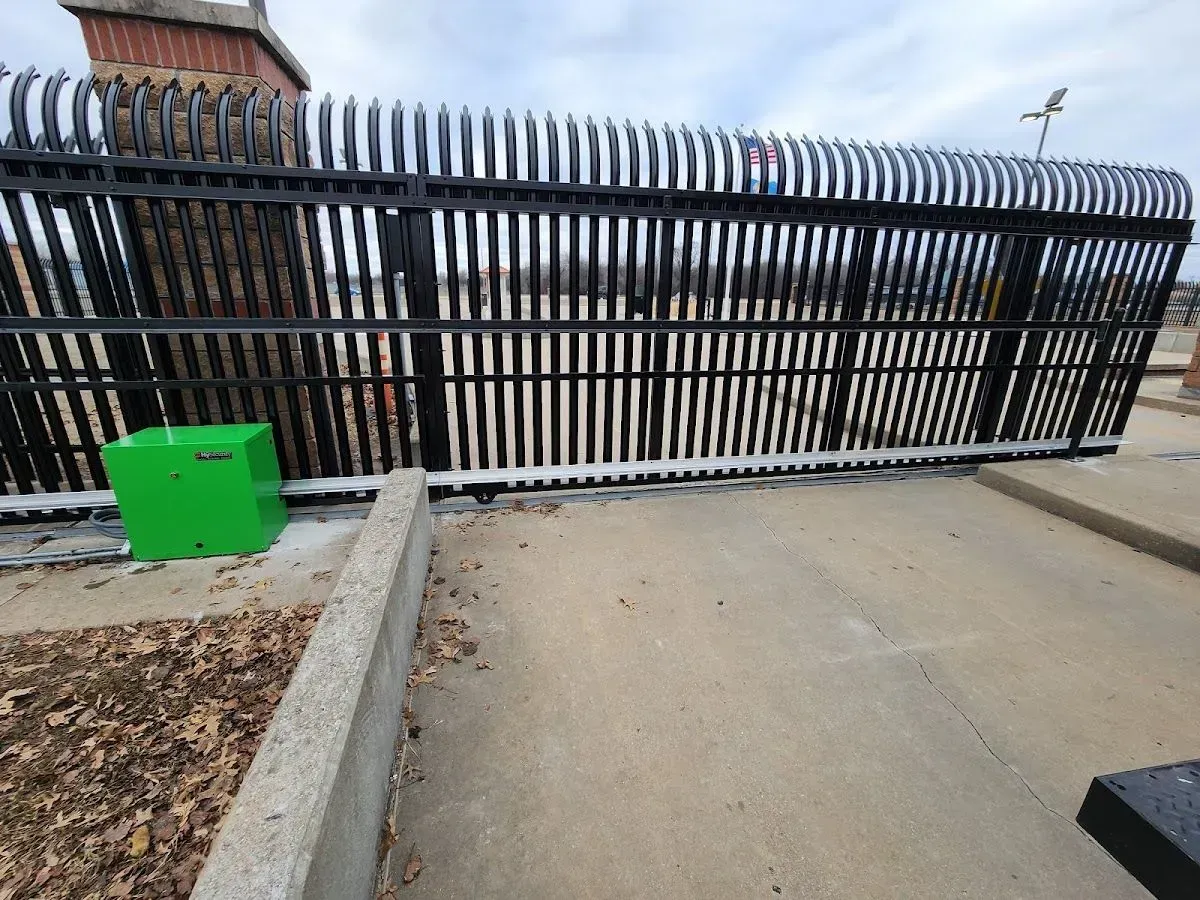
Top Security Risks Businesses Face Without Proper Fencing
Businesses of all sizes face numerous security challenges, ranging from theft and vandalism to unauthorized access and workplace safety hazards. Yet, one of the most overlooked elements in a comprehensive security strategy is the presence of a well-designed and properly installed fence. While security systems, cameras, and alarm systems often receive the bulk of attention, the physical barrier created by fencing is the first line of defense against potential threats. Without it, businesses inadvertently create vulnerabilities that could have serious financial, operational, and legal consequences.
The absence of proper fencing not only exposes a business to external risks but can also complicate internal security management. Employees, customers, and valuable assets become more susceptible to incidents that could have been prevented with a controlled perimeter. Understanding the security risks associated with inadequate or absent fencing is essential for any business owner seeking to safeguard property and ensure operational continuity. In this blog, we will explore the top security risks businesses face without proper fencing, providing actionable insights, real-world examples, and best practices to mitigate these challenges. By the end, you will appreciate how a strategic fencing solution is a critical investment in both safety and long-term business resilience.
1. Unauthorized Access and Trespassing
The Threat of Intruders
Unauthorized access is one of the most immediate risks businesses face without proper fencing. Without clearly defined perimeters, intruders, vandals, and competitors can easily enter the property unnoticed. Trespassers may steal equipment, sensitive documents, or inventory, causing financial losses and operational disruptions. Even short-term breaches can result in long-lasting security and reputation issues for business owners and employees alike.
Real-World Implications
Consider a warehouse storing high-value electronics. Without fencing, intruders can access loading docks or storage areas during off-hours, bypassing security systems with ease. Even brief lapses in monitoring can lead to significant theft, insurance claims, and eroded client trust. This demonstrates how an unprotected property creates vulnerabilities, leaving businesses exposed to risks that could otherwise be effectively mitigated through fencing solutions.
Best Practices for Prevention
Installing a high-quality, visible fence helps deter trespassers and clearly defines property boundaries. Combining fencing with controlled access points, such as gates with keypads or badge readers, ensures that only authorized personnel can enter. Additionally, clear signage marking private property reinforces security measures. These practices establish a professional, structured perimeter, reducing unauthorized access while promoting a safer, more controlled business environment.
2. Theft and Property Damage
Increased Risk Without a Physical Barrier
Fencing provides both a psychological and physical deterrent to criminal activity. Without proper barriers, businesses leave their assets exposed to opportunistic theft, whether it involves equipment, vehicles, or stored goods. Open properties invite quick and undetected access, increasing vulnerability. Protecting property with fencing mitigates these risks while signaling to potential offenders that security measures are enforced and monitored effectively on-site.
Examples of Vulnerability
Outdoor storage areas, such as construction materials or delivery trucks, are particularly vulnerable without fences. Even monitored locations can become targets if boundaries are not clearly established. Thieves can enter and exit quickly, making recovery difficult. Similarly, property damage, including vandalism or graffiti, becomes more frequent on unsecured premises. Clear perimeter fencing establishes a controlled environment and significantly reduces the likelihood of property-related incidents.
Strategic Approaches
Businesses should assess property layouts to identify potential vulnerability points. High-security materials, such as chain-link with barbed wire or steel panels, improve perimeter protection. Integrating perimeter lighting and routine security patrols enhances deterrence while complementing fencing. By adopting these measures, companies reduce the risk of theft, safeguard assets, and maintain operational continuity. This approach strengthens overall security, demonstrating a proactive, comprehensive defense strategy.
3. Liability and Safety Risks
Protecting Employees and Visitors
Lack of fencing contributes to workplace hazards and liability concerns. Unauthorized individuals may accidentally enter areas with heavy machinery, chemical storage, or other dangerous equipment, increasing the risk of injury. From a legal standpoint, businesses can be held accountable for accidents occurring on unsecured property. Proper fencing protects employees, visitors, and clients while reducing legal exposure and reinforcing workplace safety protocols effectively.
Potential Scenarios
Imagine a manufacturing facility where forklifts operate continuously. Without fencing, visitors or trespassers can enter the workspace and suffer serious injuries, resulting in lawsuits and higher insurance premiums. Construction sites without secure perimeters also risk accidents affecting passersby or neighboring properties. Properly installed fencing provides physical barriers that prevent accidental intrusion into high-risk zones, protecting lives while safeguarding business operations from costly liability issues.
Best Practices for Safety
Proper fencing delineates safe zones and guides employees, visitors, and deliveries along secure pathways. Combining fences with warning signage for hazardous areas ensures compliance with OSHA and industry regulations. A well-structured perimeter reduces liability and promotes a culture of safety throughout the organization. Investing in fencing demonstrates responsibility, protects human life, and supports long-term operational stability, establishing businesses as proactive and safety-conscious entities.
4. Cybersecurity Implications Linked to Physical Security
The Overlooked Connection
Physical and digital security are interconnected, yet often treated separately. Without fencing, unsecured properties may allow intruders to access servers, networking equipment, or confidential data stored on-site. Physical breaches can result in theft of devices, malware installation, or critical system compromise. Businesses overlooking this connection expose themselves to financial and reputational damage, highlighting the importance of perimeter fencing in protecting both physical and digital assets effectively.
Real-World Example
Small and medium businesses storing backup servers or network equipment in unprotected buildings are prime targets. Intruders can steal devices containing sensitive data or compromise systems directly. Even advanced cybersecurity protocols cannot prevent threats if physical access is unregulated. Fencing ensures restricted entry to critical IT areas, bridging the gap between digital and physical security. Businesses with secure perimeters reduce the likelihood of devastating cyber-physical incidents.
Actionable Measures
A properly installed fence restricts access to critical IT infrastructure, limiting exposure to physical breaches. Combining fencing with locked enclosures, surveillance cameras, and secure access protocols strengthens overall security. This integrated approach ensures that both digital and physical assets are protected comprehensively. By addressing vulnerabilities in physical security, businesses reduce risks associated with data loss, regulatory penalties, and financial or reputational damage caused by cyber-physical attacks.
5. Insurance and Regulatory Challenges
Insurance Premiums and Coverage Risks
Insurance providers assess property security when determining premiums and coverage eligibility. Businesses without proper fencing may face higher costs or denied claims after incidents of theft, vandalism, or damage. Certain policies explicitly require perimeter security, making fencing essential. Proactive implementation of fences demonstrates risk awareness, potentially lowering insurance premiums and ensuring coverage. A well-secured property improves both financial predictability and protection against unforeseen claims or incidents.
Compliance and Regulatory Considerations
Industries like chemical manufacturing, logistics, and healthcare are subject to strict regulations regarding materials, equipment, and data security. Failure to install fencing can result in non-compliance penalties, audits, and operational disruptions. Regulatory agencies often expect physical barriers to enforce controlled access. Businesses that integrate fencing into their compliance strategy maintain smoother operations while avoiding costly legal or regulatory challenges that arise from unsecured premises.
Best Practices
Investing in high-quality fencing that meets industry standards demonstrates proactive risk management. Documentation of fencing installation and maintenance supports insurance claims and regulatory audits. Combining fencing with controlled entry points, surveillance, and signage strengthens compliance and reduces operational risk. Businesses that implement these practices protect assets, ensure regulatory adherence, and maintain continuity, establishing security as a foundational element of long-term business success.
6. Deterrence and Business Reputation
Fencing as a Psychological Barrier
Fencing provides not only physical protection but also a psychological deterrent to criminals. The presence of a secure perimeter signals that a business prioritizes security, discouraging intruders from attempting unauthorized entry. A well-maintained fence reduces risks of theft, vandalism, and other incidents. Effective fencing demonstrates to clients, employees, and visitors that the organization takes responsibility for safety, projecting professionalism and authority.
Impact on Client and Employee Confidence
Clients, employees, and partners feel more confident when entering a property with visible security measures. Fencing conveys professionalism and responsibility, strengthening trust in the organization. Open or poorly secured properties may create perceptions of neglect, vulnerability, or disorganization. Proper fencing promotes a sense of safety, reinforcing confidence among stakeholders while enhancing the company’s overall reputation for operational integrity and security.
Implementation Strategies
Combining aesthetic design with functional security ensures fencing enhances both appearance and protection. Decorative metal fences, landscaped perimeters, and controlled entry points deter crime while promoting a professional image. Integrating access control and surveillance systems further strengthens security and stakeholder confidence. Effective fencing solutions safeguard property, protect personnel, and project professionalism, demonstrating a business’s commitment to both operational excellence and long-term security resilience.
Expert Commercial Fencing Services Ensuring Maximum Protection
The risks of operating a business without proper fencing are extensive, ranging from theft, trespassing, and property damage to increased liability, regulatory challenges, and even cybersecurity vulnerabilities. A well-designed fence acts as a proactive measure to protect assets, employees, and visitors while reinforcing operational continuity and legal compliance. Beyond the physical benefits, fencing serves as a psychological deterrent, boosting stakeholder confidence and enhancing a company’s reputation for security and professionalism.
For businesses in Broken Arrow, Oklahoma, seeking reliable,
high-quality fencing solutions, Pro-Line Fence & Gate
stands as a trusted authority. With 40
years of experience, the company specializes in designing, installing, and maintaining fences tailored to business security needs. Their team combines technical expertise with a commitment to client satisfaction, ensuring that every project meets the highest standards of durability and functionality. Whether it’s a commercial facility, industrial site, or office complex, Pro-Line Fence & Gate
delivers solutions that protect assets, support compliance, and enhance the professional image of your business.