How to Choose the Right Commercial Fence to Meet Safety Regulations
Selecting the right commercial fence is far more than a matter of aesthetics; it is a critical component of ensuring safety, security, and regulatory compliance for your business property. Commercial fences serve multiple purposes, including protecting assets, controlling access, deterring unauthorized entry, and meeting local, state, and federal safety regulations. With the increasing emphasis on workplace safety and security, choosing a fence that balances functionality, durability, and compliance is essential. Business owners, facility managers, and security personnel must approach the selection process with a clear understanding of safety requirements, industry standards, and the specific needs of their property.
The challenge lies in navigating the wide range of materials, designs, heights, and security features available in the commercial fencing industry. From chain-link barriers and ornamental metal fences to high-security perimeter systems, each option comes with unique advantages, limitations, and compliance considerations. Understanding these variables is key to making an informed decision that not only meets safety regulations but also enhances operational efficiency and reduces liability risks. This guide provides actionable insights, expert recommendations, and practical examples to help you confidently choose the right commercial fence for your property while ensuring regulatory compliance and long-term security.
1. Understanding Safety Regulations and Compliance Standards
Identify Applicable Codes and Standards
Before selecting a commercial fence, it is vital to understand the regulatory landscape governing your property. Different industries and municipalities have specific safety and fencing requirements. For instance, industrial facilities often fall under Occupational Safety and Health Administration (OSHA) regulations, which specify barrier heights, warning signage, and restricted access protocols. Educational institutions, healthcare facilities, and commercial complexes may also have local ordinances dictating fence design, spacing, and material specifications. Conducting a thorough review of these regulations ensures your fence design aligns with legal and safety requirements, helping prevent costly violations and legal liabilities.
Consider Accessibility and Security Requirements
Commercial fences are not only safety measures but also tools for controlling access. Evaluate the level of security required for your property, considering factors such as employee entry points, visitor access, vehicle traffic, and emergency evacuation routes. Regulatory standards may mandate certain fencing features, such as lockable gates, anti-climb designs, and protective barriers, particularly in high-risk environments like chemical plants, warehouses, and data centers. Balancing accessibility with security is crucial, as overly restrictive fences can hinder operations, while insufficient barriers can compromise safety.
Conduct a Risk Assessment
A professional risk assessment provides critical insights into potential hazards surrounding your property. Assess perimeter vulnerabilities, exposure to criminal activity, environmental risks, and operational requirements. This information guides the selection of fencing materials, height, and security features, ensuring the final installation adequately protects employees, visitors, and assets while complying with safety regulations.
2. Choosing the Right Fencing Material
Chain-Link Fencing
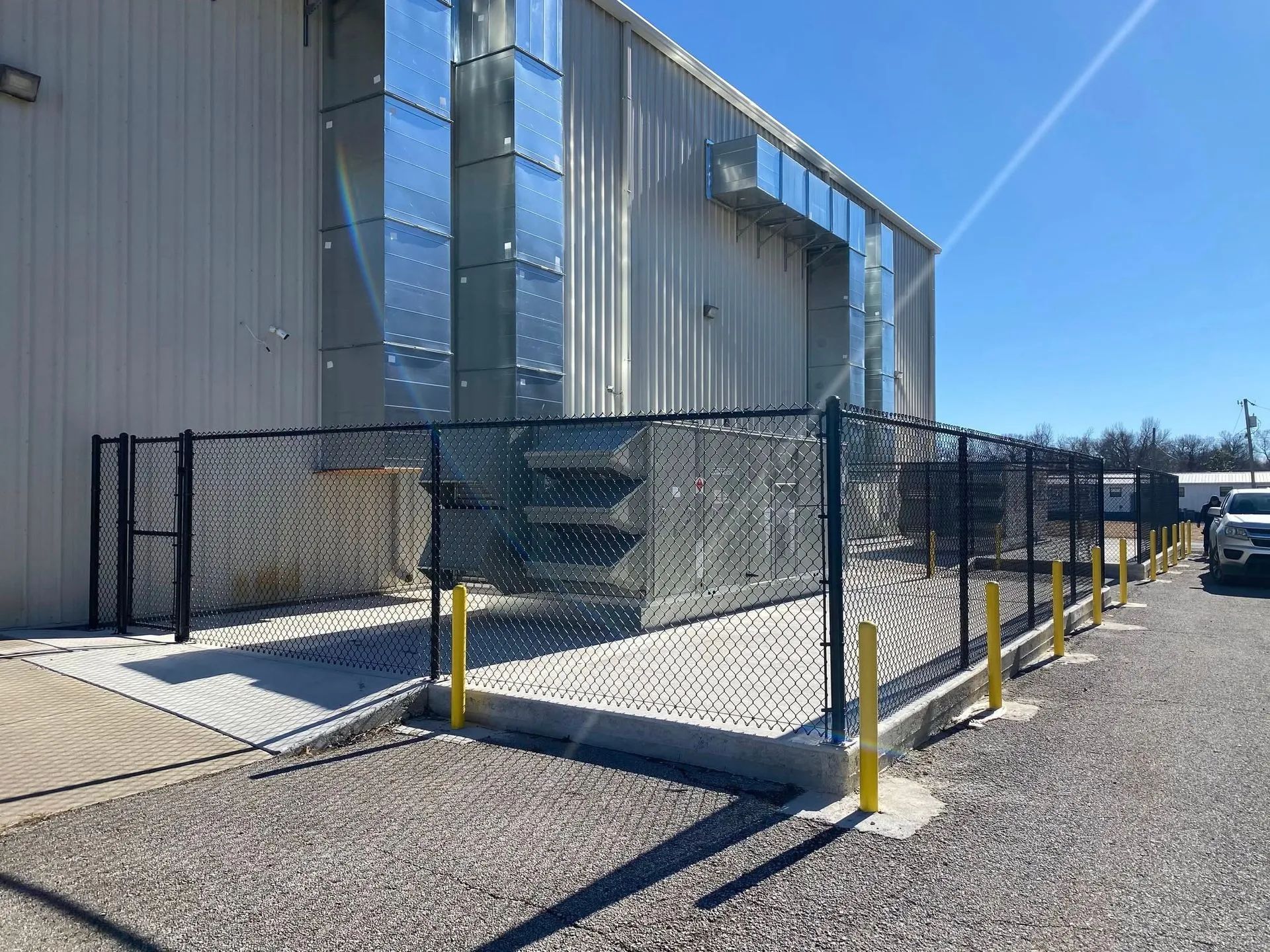
Chain-link fences are widely used in commercial settings due to their affordability, durability, and versatility. They provide visibility for security monitoring while serving as an effective deterrent. To meet safety regulations, consider galvanized or PVC-coated options to prevent corrosion, particularly in outdoor environments exposed to moisture or chemicals. Chain-link fencing can also be equipped with barbed wire or anti-climb mesh for high-security areas, ensuring compliance with industry safety standards.
Ornamental and Steel Fencing
Ornamental fences offer a combination of strength, aesthetics, and security. Constructed from steel or wrought iron, these fences can meet commercial safety requirements while enhancing the visual appeal of corporate buildings, parks, or educational campuses. Steel fences provide exceptional durability, resist tampering, and can be customized to meet specific height and spacing regulations. Incorporating features such as reinforced posts and automated gates ensures long-term compliance and reduces maintenance concerns.
Vinyl and Composite Fencing
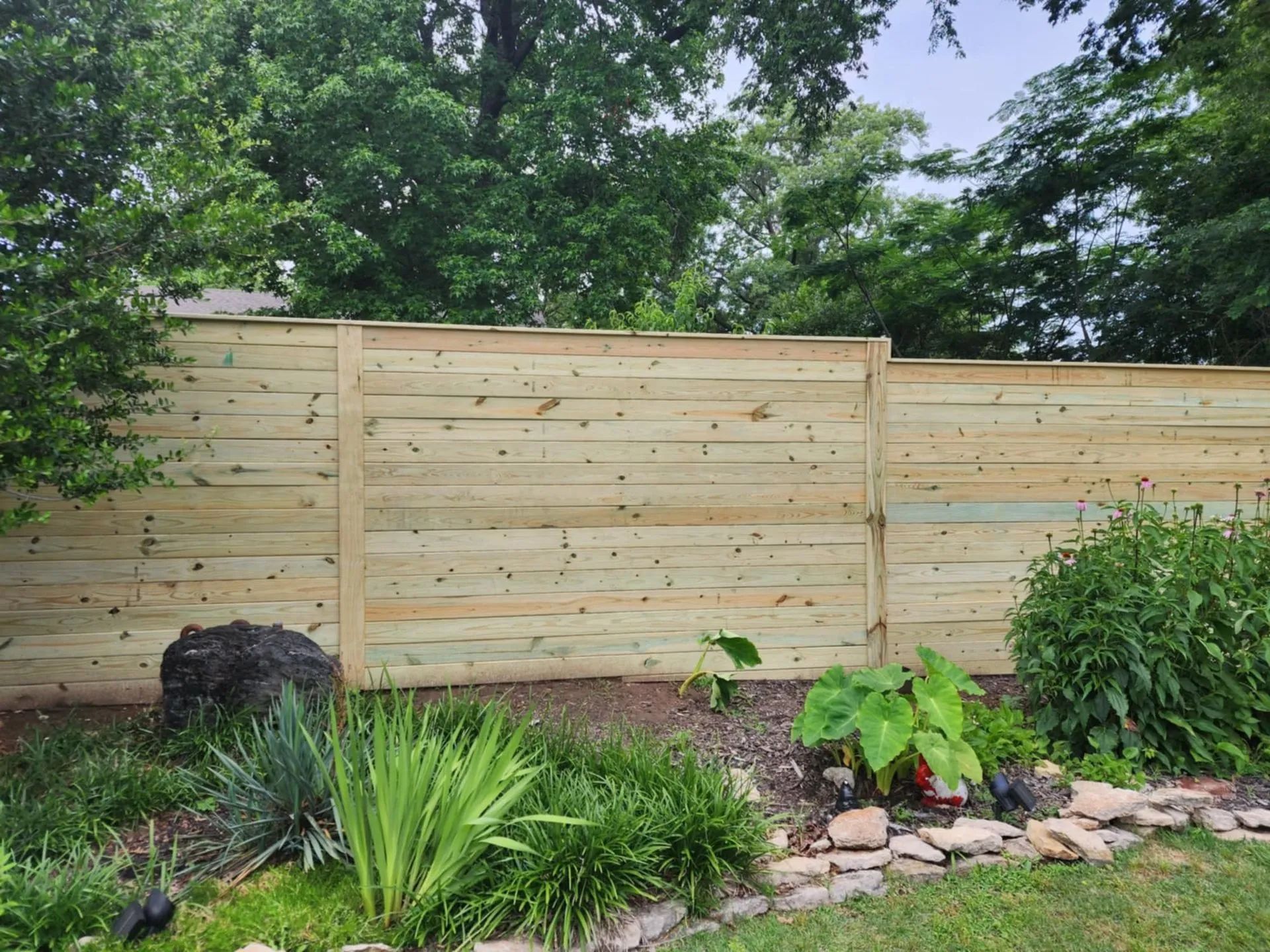
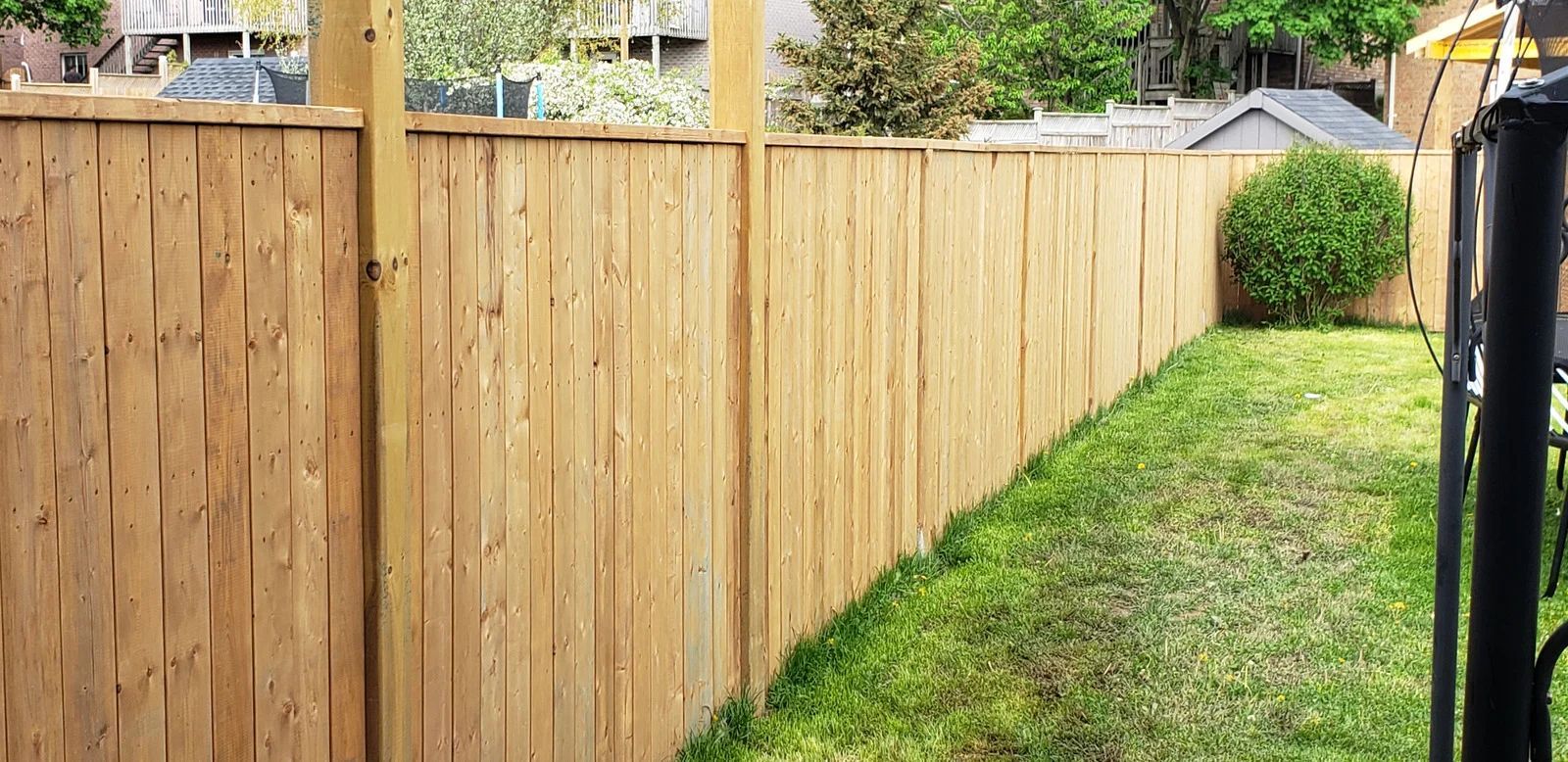
Vinyl and composite fences are low-maintenance alternatives suitable for commercial properties with aesthetic or environmental requirements. While not as robust as metal options for high-security zones, they comply with many local safety regulations when properly installed and reinforced. These fences are ideal for perimeter delineation, controlling pedestrian flow, and preventing accidental property entry, particularly in educational, healthcare, or recreational settings.
Selecting the Right Material Based on Risk
The choice of fencing material should reflect the level of risk, environmental exposure, and compliance requirements. High-risk areas, such as industrial yards, chemical storage, or sensitive infrastructure, benefit from heavy-duty steel or chain-link fences with security enhancements. Low-risk zones, like corporate landscaping or pedestrian walkways, may prioritize aesthetic and low-maintenance options without compromising safety standards.
3. Determining Appropriate Fence Height and Design
Regulatory Height Requirements
Height is a critical factor in commercial fencing, as it directly impacts security and regulatory compliance. Many safety codes specify minimum fence heights to prevent unauthorized entry, restrict access to hazardous areas, or control pedestrian flow. For example, industrial facilities may require fences between 6 and 12 feet, while high-security zones such as utility plants may need even taller barriers. Understanding these requirements ensures your fence meets both legal and functional safety objectives.
Anti-Climb and Security Design Features
For commercial properties prone to trespassing or theft, incorporating anti-climb designs is essential. Options include vertical pickets with minimal spacing, mesh panels, and top-mounted deterrents such as spikes or barbed wire. In addition to enhancing security, these features may be mandated by safety regulations in high-risk industries. Ensure that anti-climb components comply with local building codes and OSHA guidelines to avoid legal issues and maintain a safe working environment.
Gates, Access Points, and Emergency Exits
Fence height and design should integrate seamlessly with entry points and emergency exits. Gates must be appropriately sized, lockable, and, where required, automated. Emergency exits should comply with fire and building safety codes, allowing quick evacuation while preventing unauthorized access. Incorporating controlled access technology such as keypads, card readers, or biometric scanners further strengthens compliance and operational efficiency.
4. Evaluating Durability and Maintenance Needs
Material Longevity and Weather Resistance
Commercial fences face constant exposure to environmental stressors, including sun, wind, rain, and temperature fluctuations. Choosing materials with high corrosion resistance, UV protection, and structural stability is essential to maintain compliance and avoid frequent replacements. Galvanized steel, powder-coated aluminum, and treated wood offer superior durability in various climates. A well-chosen fence minimizes the risk of safety failures caused by degradation, such as loose posts or broken panels.
Maintenance Requirements and Inspection Protocols
Even durable fences require routine maintenance to remain compliant and functional. Regular inspections help identify loose fittings, rust, damaged panels, or gate malfunctions before they pose safety risks. Implementing a proactive maintenance schedule aligns with industry best practices and regulatory expectations, reducing liability and ensuring consistent operational security. Some commercial facilities benefit from maintenance contracts with specialized fencing contractors who provide periodic checks and repairs.
Balancing Cost with Longevity
Investing in high-quality materials and professional installation may involve higher upfront costs, but it reduces long-term expenses related to repairs, replacements, and regulatory compliance. Consider the total cost of ownership, factoring in maintenance, expected lifespan, and potential liability mitigation. A durable, low-maintenance fence provides peace of mind and ensures continued adherence to safety standards.
5. Integrating Security Technology and Monitoring
Surveillance and Alarm Systems
Modern commercial fences can incorporate technology to enhance security and meet regulatory standards. CCTV cameras, motion sensors, and alarm systems provide real-time monitoring and early detection of unauthorized access. Integrating these technologies with fencing systems helps prevent incidents and demonstrates a proactive approach to safety compliance, which may be reviewed during audits or inspections.
Automated Gates and Access Control
Automated gates with electronic access control systems streamline entry and exit while ensuring only authorized personnel gain access. These systems can be programmed to comply with industry regulations, track usage logs, and provide emergency override options. Combining automation with traditional physical barriers maximizes security and operational efficiency.
Lighting and Visibility Considerations
Adequate perimeter lighting is an essential component of a compliant commercial fence system. Well-lit areas reduce the likelihood of trespassing, vandalism, and accidents while supporting surveillance technology. Safety regulations often require illumination for certain types of commercial properties, such as warehouses, healthcare facilities, and industrial plants. Incorporating lighting into the fence design ensures continuous compliance and enhances overall security.
6. Planning for Installation and Professional Expertise
Site Assessment and Customized Planning
A thorough site assessment is crucial before fence installation. Factors such as terrain, soil type, drainage, and existing infrastructure impact fence selection and design. Professional contractors evaluate these variables to recommend optimal materials, height, and layout while ensuring compliance with local codes and safety regulations.
Hiring Certified Contractors
Engaging an experienced commercial fence contractor ensures proper installation, regulatory adherence, and long-term reliability. Certified contractors understand safety codes, permit requirements, and best practices, reducing the risk of compliance violations. Their expertise guarantees that the fence not only meets design and material specifications but also performs reliably under operational and environmental conditions.
Documentation and Permitting
Proper documentation, including site plans, permits, and compliance certifications, is essential for commercial fence projects. Working with professionals ensures all regulatory requirements are met, streamlines the permitting process, and protects the property owner from potential fines or legal challenges.
Reliable Recommendations by Pro-Line Fence Professionals
Choosing the right
commercial fence
involves careful consideration of safety regulations, material durability, height requirements, and technological integrations. Pro-Line Fence & Gate, a trusted fence contractor in Broken Arrow, Oklahoma, brings 40
years of industry experience to every project. Our team specializes in designing and installing commercial fencing solutions that meet rigorous safety standards and regulatory requirements. From site assessment and material selection to installation and ongoing maintenance, we provide comprehensive services tailored to your business needs. With a focus on quality, reliability, and client satisfaction, Pro-Line Fence & Gate
is committed to delivering secure, durable, and compliant fencing solutions that safeguard your property and enhance operational efficiency.