Designing a Custom Gate That Complements Your Property’s Architecture
A gate is often the first impression visitors have of a property, serving as both a functional barrier and a design statement. Beyond security, a gate plays a critical role in enhancing curb appeal and reinforcing the architectural style of a home or commercial property. Selecting a standard, off-the-shelf gate may meet basic functional needs, but it often lacks the personality, craftsmanship, and tailored fit that a custom-designed gate provides. From material selection to ornamental details, a well-designed gate can seamlessly integrate with existing structures, landscaping, and aesthetic themes, creating a cohesive and visually striking exterior. A thoughtfully designed gate also sets the tone for the property, signaling attention to detail and a commitment to quality that extends beyond the entrance. It transforms a simple barrier into an architectural feature that elevates the overall aesthetic and value of the property.
Designing a custom gate requires careful consideration of multiple elements, including architectural harmony, durability, safety, and maintenance. Each decision, from choosing wrought iron for a classic colonial home to opting for sleek aluminum for a modern property, influences the overall impact of the gate. Understanding how to align a gate’s design with the property’s style ensures not only an elegant entrance but also long-term functionality and investment value. Additional considerations, such as automation, lighting, and landscaping integration, further enhance the gate’s appeal while improving convenience and safety. By approaching design strategically and with attention to detail, a custom gate can become a signature feature that combines beauty, performance, and lasting durability.
1. Assessing Architectural Style and Gate Functionality
Understanding the Property’s Design Language
Every property has a unique architectural identity—whether it’s traditional, contemporary, Mediterranean, or rustic. The gate design should reflect and complement this style rather than clash with it. For example, a Victorian-style residence may benefit from an ornate wrought-iron gate with intricate scrollwork, while a modern minimalist home may look best with clean lines and geometric patterns. Carefully analyzing rooflines, exterior materials, and landscaping will guide the selection of shapes, colors, and finishes that harmonize with the overall design.
Defining Purpose and Requirements
Before selecting materials or creating decorative details, identify the primary purpose of the gate. Is it mainly for security, privacy, aesthetics, or a combination of all three? Functional considerations include vehicle access, pedestrian entry, and integration with automation systems. Determining these requirements early ensures that the final design balances beauty with practicality, avoids costly modifications later, and aligns with the lifestyle and needs of the property occupants.
2. Choosing the Right Materials for Durability and Style
Common Materials and Their Advantages
Material selection is critical in gate design because it affects durability, maintenance, and aesthetic appeal. Common options include:
- Wrought Iron: Offers strength, classic elegance, and design flexibility. Ideal for traditional or ornate architectural styles.
- Aluminum: Lightweight, corrosion-resistant, and suitable for modern designs. Requires minimal maintenance and can mimic wrought iron in appearance.
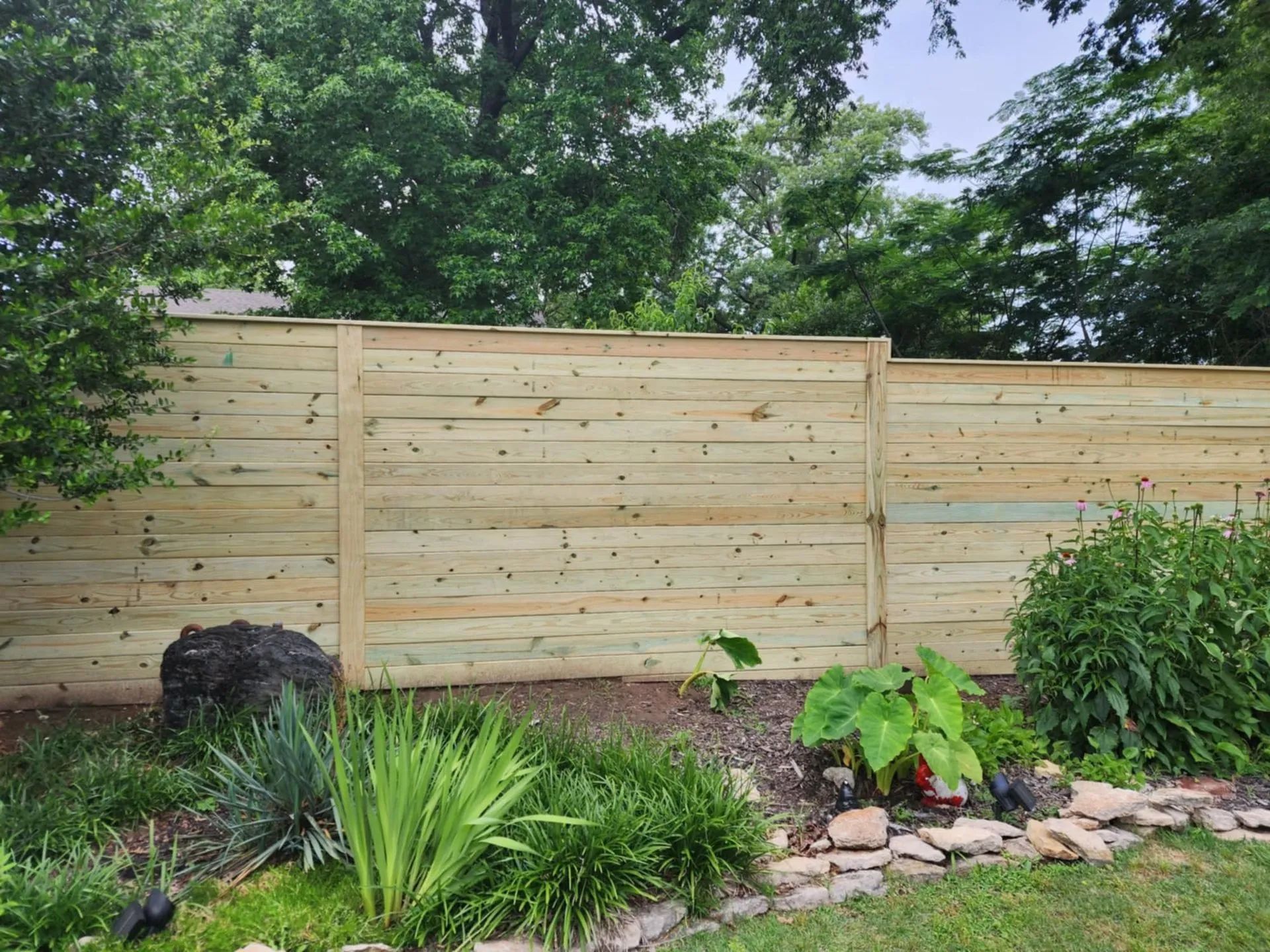
- Wood: Adds warmth and natural appeal. Offers versatility in paneling styles but requires regular upkeep to prevent rot, warping, or insect damage.
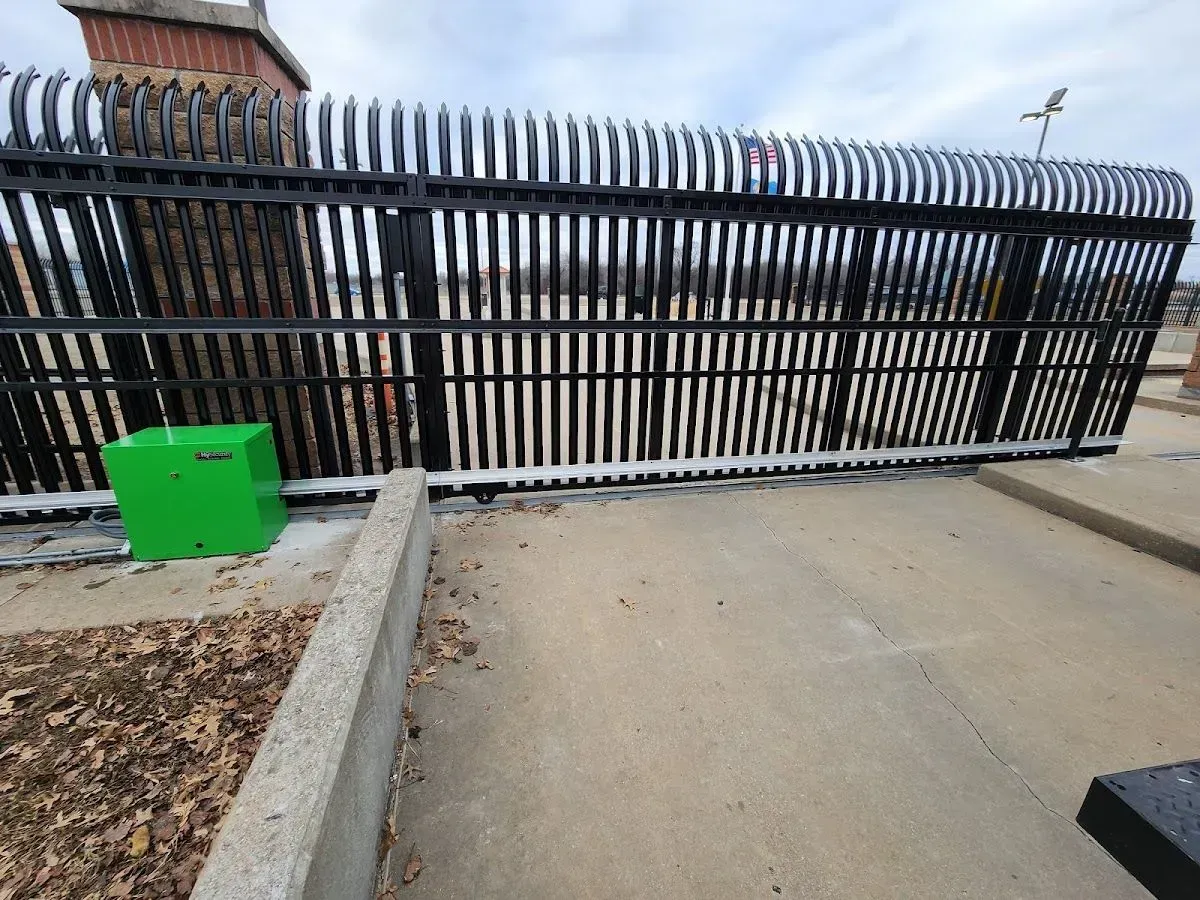
- Steel: Extremely strong and durable, perfect for heavy gates and security-focused designs. Can be powder-coated for color customization.
Choosing materials involves balancing style preferences, long-term maintenance, and exposure to weather. For instance, coastal properties require corrosion-resistant metals, while inland areas may prioritize stain-resistant woods for a polished appearance.
Finishes, Colors, and Coatings
Finishes enhance both aesthetics and longevity. Powder coating on metal gates prevents rust and fading, while sealants and stains on wooden gates protect against moisture and UV damage. Color selection should complement exterior paint schemes, roof tones, and landscaping. A cohesive palette reinforces architectural harmony, creating a polished and intentional look.
3. Gate Design Elements That Enhance Architectural Appeal
Proportion and Scale
The size and proportion of the gate relative to the property’s façade is essential. Oversized gates may overwhelm smaller homes, while undersized gates can appear insignificant against large estates. Proper scaling ensures the entrance feels balanced, welcoming, and proportional to driveways, fences, and landscape features.
Decorative Details and Patterns
Custom gates offer opportunities for ornamental design that mirrors the property’s style. Scrollwork, geometric patterns, laser-cut panels, or lattice designs can add visual interest while reflecting the architectural narrative. Subtle motifs inspired by exterior trim, window shapes, or landscaping patterns reinforce a sense of cohesion.
Incorporating Modern Technology
Automation and security features can be integrated seamlessly into the gate design. Motorized opening systems, keyless entry, intercoms, and cameras can coexist with decorative elements without compromising aesthetics. Thoughtful placement of hardware, hinges, and control panels ensures functionality remains discreet, preserving the gate’s visual appeal.
4. Balancing Security, Privacy, and Accessibility
Security Considerations
A gate must provide adequate protection without appearing intimidating. Material strength, lock systems, and structural integrity are key factors. Taller gates, reinforced frames, and tamper-resistant hardware enhance safety while maintaining style.
Privacy Solutions
Depending on the property’s location and occupant preferences, gates can be designed to maximize privacy. Solid panels, closely spaced slats, or frosted inserts prevent outsiders from seeing inside while still complementing the property’s style. Landscaping can further enhance privacy, with hedges or climbing plants integrated alongside the gate.
Accessibility and Traffic Flow
Ease of access is equally important. Driveway gates should accommodate vehicles smoothly, with swing or sliding mechanisms chosen based on available space. Pedestrian gates should be user-friendly, with proper clearances and safe opening angles. Integrating smart access systems can allow remote control and visitor monitoring, reducing inconvenience while maintaining security.
5. Integrating Landscaping and Exterior Features
Complementary Landscaping
A gate rarely exists in isolation; its impact depends on surrounding landscaping. Symmetrical plantings, stone pathways, and lighting can highlight the gate as a focal point. Using complementary materials in pillars, fence posts, or walls reinforces cohesion with the property’s exterior.
Lighting for Function and Aesthetics
Well-placed lighting enhances both safety and visual appeal. Lantern-style fixtures, embedded LEDs, or uplighting can highlight ornamental details, create a welcoming ambiance, and provide nighttime security. Properly integrated lighting ensures the gate remains a striking feature in both day and night settings.
Seasonal and Environmental Considerations
Environmental conditions influence gate performance and aesthetics. In areas with heavy snowfall, gates must clear snow effectively and resist warping or corrosion. Coastal environments require materials and finishes that withstand salt exposure. Understanding local climate and seasonal changes allows selection of resilient materials and installation methods.
6. Maintenance, Longevity, and Return on Investment
Regular Maintenance Practices
Custom gates require periodic maintenance to preserve their functionality and appearance. Metal gates may need rust inspections, repainting, or lubrication of hinges, while wood gates require resealing or staining. Routine checks of locks, automation systems, and structural integrity extend the gate’s lifespan and prevent costly repairs.
Enhancing Longevity
Durable materials, protective coatings, and thoughtful engineering contribute to long-term performance. Gates with reinforced frames, powder-coated finishes, or weather-treated wood resist wear, reducing maintenance frequency. Investing in quality craftsmanship ensures the gate remains both beautiful and secure for decades.
Value Addition and Curb Appeal
A well-designed custom gate adds tangible and intangible value. From boosting curb appeal to enhancing property security, gates contribute to both market value and day-to-day enjoyment. Prospective buyers often recognize the care and intentionality behind a custom gate, viewing it as a mark of quality and attention to detail.
Seasonal and Environmental Considerations
Designing a custom gate involves careful consideration of architecture, materials, security, and landscaping. Balancing aesthetics with functionality ensures the gate not only complements the property visually but also serves practical needs. Each decision, from choosing the right metal to integrating smart access features, plays a role in creating a seamless, durable, and visually appealing entrance. By prioritizing design coherence, safety, and maintenance, the gate becomes an enduring feature that elevates the entire property.
Expert Insights for a Seamless Gate Integration
Consulting design professionals or experienced installers during the planning stage ensures all elements work in harmony. Gate design should consider driveway slopes, traffic patterns, and neighboring structures. Professional insights can prevent common mistakes such as misaligned automation systems, improper scaling, or material incompatibility. Strategic planning ensures the final product reflects the intended architectural vision while performing reliably under daily use.
Trusted Craftsmanship Delivering Durable, Elegant Gate Solutions
Designing a custom gate that complements a property’s architecture requires careful planning, attention to detail, and an understanding of both functional and aesthetic needs. By assessing the property’s design style, selecting appropriate materials, integrating security and automation, and considering landscaping, it is possible to create a gate that enhances curb appeal while providing long-lasting durability. Thoughtful attention to proportion, decorative elements, and environmental conditions ensures a gate that not only looks striking but performs reliably for years.
At Pro-Line Fence & Gate, we bring over 40
years of expertise to every project, crafting gates that combine architectural elegance with structural strength. Based in Broken Arrow, Oklahoma, we specialize in
designing and installing custom gates
that harmonize seamlessly with any property style. Our hands-on approach, commitment to quality, and extensive experience ensure each gate reflects the perfect balance of functionality, aesthetics, and durability. With a reputation for precision and reliability, we are a trusted authority in delivering custom gate solutions that elevate property value and visual appeal.